
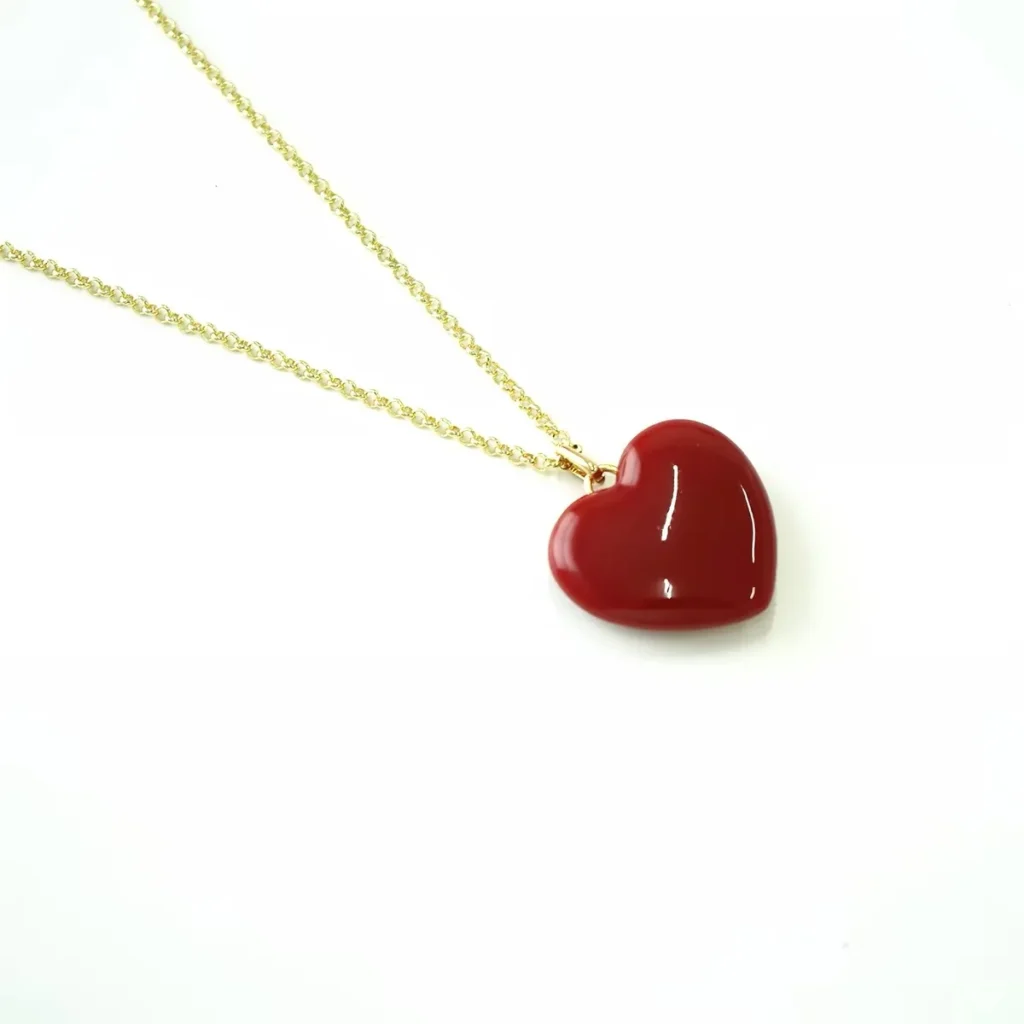
For B2B buyers developing custom resin jewelry, the sample stage is where a design concept becomes a physical product that can be evaluated before bulk production. Sample development can involve design review, material selection, color matching, mold or component preparation, finishing, and revisions.
The cost and timeline depend on the complexity of the design and the amount of customization required. Buyers should therefore ask for more than a sample price. A useful sample quotation should explain what is included, what may require additional development, and what needs to be approved before bulk production begins.
What Happens During Resin Jewelry Sample Development?
A typical custom resin jewelry sample project can move through several stages:
Design brief → Technical review → Sample preparation → Resin and color development → Assembly and finishing → Sample inspection → Buyer feedback → Revision if required → Final approval
Not every project requires every stage. An existing design with a standard color may require less development than a completely new design with custom resin effects and private label packaging.
The first step is to give the manufacturer enough information to understand the intended product.
Useful information includes:
- Product type
- Reference images or drawings
- Approximate dimensions
- Resin color
- Transparency or translucency
- Embedded elements
- Surface texture
- Hardware
- Finishing requirements
- Estimated bulk quantity
- Packaging requirements
What Determines the Cost of a Resin Jewelry Sample?
Sample pricing is not necessarily the same as bulk unit pricing.
A sample may require development work that is spread across a much larger production quantity during bulk manufacturing. Depending on the project, the sample cost can be influenced by:
Design Complexity
A simple resin component may require less preparation than a multi-part design with unusual shapes, embedded details, or complicated assembly.
Custom Color
Custom resin color development may require additional preparation and approval compared with using an existing color.
New Development
A completely new product can involve additional development work compared with modifying an existing design.
Hardware
Custom or specially selected metal components can affect sample preparation and assembly.
Finishing
Hand polishing, enamel coating, special textures, or other finishing requirements may add work to the sample.
Packaging
If the buyer wants to approve private label packaging together with the jewelry, packaging samples may need to be developed separately.
Because each project is different, buyers should ask the manufacturer to identify what the quoted sample cost covers instead of assuming every supplier calculates sample charges in the same way.
How Long Does Resin Jewelry Sampling Take?
There is no single sample timeline that applies to every resin jewelry project.
The development schedule depends on factors such as:
- Design complexity
- Availability of materials
- Custom color requirements
- Hardware availability
- New development requirements
- Number of designs
- Number of color variations
- Required finishing
- Packaging development
- Number of revision rounds
A simple sample using an existing product structure may require less preparation than a completely new design.
For this reason, buyers should avoid requesting a fixed timeline without first providing the manufacturer with the design specifications.
A better approach is to submit the complete design brief first and ask the manufacturer to confirm the expected sampling schedule based on the actual project.
What Should Buyers Check When the Sample Arrives?
A sample should be reviewed against the original specification rather than judged only by its overall appearance.
1. Shape and Dimensions
Check the overall shape, proportions, thickness, and key dimensions.
Small dimensional changes can affect the appearance and balance of jewelry, especially for earrings, brooches, rings, and other products with defined proportions.
2. Resin Color
Compare the physical sample with the approved color reference.
Do not rely only on photographs because lighting and camera settings can change how resin color appears.
3. Transparency and Texture
If the product requires a transparent or translucent effect, check whether the physical result matches the intended appearance.
Also inspect any requested resin texture or embedded design.
4. Surface Finish
Check for the required level of smoothness, polishing, texture, or coating.
The sample should provide a clear reference for what the buyer expects from bulk production.
5. Hardware
Inspect the hardware type, finish, positioning, attachment, and overall compatibility with the resin component.
6. Assembly
Check whether the different components are properly aligned and assembled.
For multi-component products, the assembly quality can be just as important as the resin itself.
Resin Jewelry Sample Approval Checklist
Before approving a sample for bulk production, buyers can use the following checklist:
| Checkpoint | What to Review |
| Design | Shape matches the approved concept |
| Dimensions | Size and proportions are correct |
| Resin color | Matches the agreed reference |
| Transparency | Correct transparent or translucent effect |
| Texture | Surface appearance meets requirements |
| Embedded details | Position and appearance are correct |
| Hardware | Correct component, finish, and placement |
| Assembly | Components are securely and accurately assembled |
| Polishing | Surface finish meets the agreed standard |
| Coating | Enamel or other finishing is correct |
| Branding | Logo or brand elements are positioned correctly |
| Packaging | Required packaging format is correct |
Not every project will use every checkpoint. The checklist should be adjusted according to the product specification.
How Many Sample Revisions Should Buyers Expect?
A sample is intended to identify and resolve development issues before bulk production. A revision may be necessary when the first sample does not fully meet the agreed requirements.
Common revision areas include:
- Color
- Dimensions
- Shape
- Hardware
- Surface finish
- Embedded elements
- Packaging
Buyers should clearly communicate all required changes in one consolidated feedback document whenever possible.
Instead of sending several separate messages with individual corrections, provide marked-up images, measurements, color references, and a numbered list of changes.
This gives the manufacturer a clearer revision target and reduces communication errors.
What Should Be Approved Before Bulk Production?
The buyer should not approve bulk production based only on a general statement such as “the sample looks good.”
The production reference should clearly establish the important product specifications.
Depending on the project, this may include:
- Final design
- Dimensions
- Resin color
- Transparency
- Texture
- Embedded elements
- Hardware
- Finishing
- Assembly
- Packaging
- Quantity by SKU and color
For multiple designs or colors, each variation should be identified separately.
A clearly approved sample gives the production team a physical reference for appearance and construction.
Sample Approval and Bulk Quality Control
The approved sample is particularly useful during bulk production because it provides a physical reference for comparing finished products.
Quality inspection can focus on characteristics such as:
- Visible surface defects
- Color consistency
- Shape
- Hardware attachment
- Polishing
- Assembly
- Packaging condition
Haishaer Jewelry has manufacturing capabilities including custom resin colors, transparent and translucent effects, embedded designs, resin textures, enamel coating, copper and zinc alloy components, hardware selection, hand polishing, and quality inspection.
For buyers developing several product categories, the Haishaer Jewelry product range provides an overview of available resin jewelry categories.
How Buyers Can Make Sampling More Efficient
The most effective way to reduce unnecessary sampling revisions is to provide complete information at the beginning.
Before requesting a sample, prepare:
- Product reference
- Dimensions
- Resin requirements
- Color reference
- Hardware requirements
- Finishing requirements
- Estimated quantity
- Packaging requirements
- Quality expectations
It is also useful to identify which specifications are mandatory and which are flexible.
For example, a buyer may require an exact logo placement but be open to the manufacturer’s recommendation for a particular hardware component. Making this distinction clear allows the manufacturer to focus development work on the requirements that matter most.
What Should Be Included in a Sample Request?
A practical sample request can follow this format:
Product: Resin earrings
Design: Reference drawing attached
Size: Approximate dimensions provided
Color: Custom resin color with reference
Effect: Translucent finish
Hardware: Metal component specification
Finishing: Polished surface
Quantity: Estimated bulk quantity per SKU
Packaging: Private label card and individual packaging
Sample requirement: Physical sample for approval
This gives the manufacturer a much stronger starting point than a request that only says, “Please quote a sample.”
Haishaer Jewelry is an OEM and ODM resin jewelry manufacturer based in Qingdao, China. The company has more than 20 years of resin jewelry craftsmanship experience and a 1,100-square-meter factory.
For brands and wholesalers developing customized products, contact Haishaer Jewelry with the design reference, estimated quantity, color requirements, and other available specifications to discuss the sampling process.
The key is to treat sampling as a product-development stage rather than simply purchasing one piece. A well-documented sample gives both the buyer and manufacturer a clearer reference before bulk production begins.
Buyer Questions
1. Is the sample price the same as the future bulk unit price?
Not necessarily. Sample development may involve setup, customization, or development work that is different from the cost structure of repeated bulk production.
2. What should I do if the sample color looks different from my reference?
Compare the physical sample with the agreed color reference under consistent lighting and provide specific feedback. If necessary, request a color adjustment before approving the sample for bulk production.
3. Can I approve the sample before finalizing packaging?
You can, but it is usually more efficient to define packaging requirements before bulk production is finalized. If private label packaging is part of the project, include it in the sampling and quotation discussion from the beginning.