
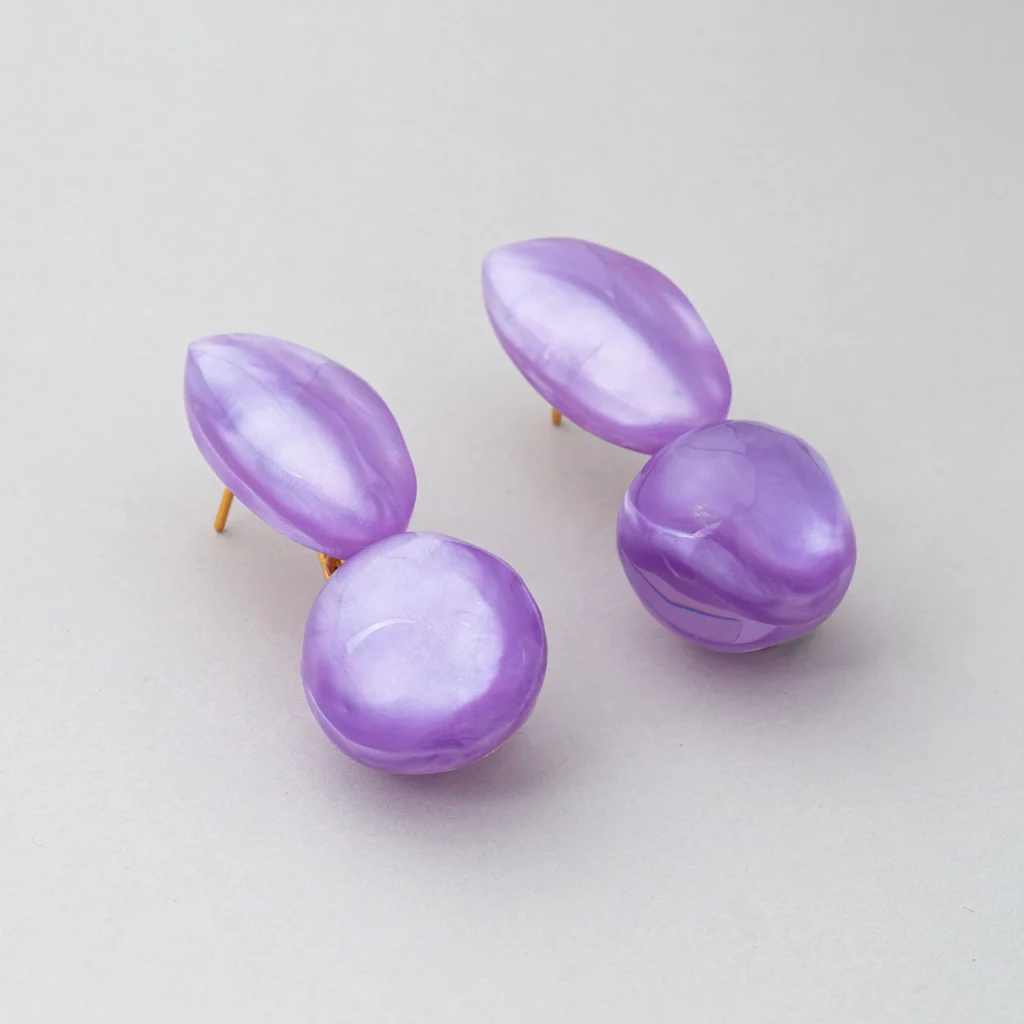
For jewelry buyers developing custom resin products, one of the most common production concerns is color variation between approved samples and final bulk orders. The best way to reduce this risk is to establish clear color standards before mass production, control resin mixing processes, and ensure the factory follows the approved sample as the production reference.
Resin jewelry colors can be affected by multiple factors, including raw material batches, pigment ratios, transparency levels, curing conditions, polishing methods, and lighting environments. A reliable OEM manufacturer should manage these variables through a controlled sampling and production process.
Why Color Differences Happen Between Samples and Bulk Orders
Resin is a handmade and semi-manual material, which means color consistency requires careful process control. Unlike printed materials with fixed ink formulas, resin colors are created by mixing resin materials with pigments, dyes, or special effects.
Common causes of color variation include:
Different Resin or Pigment Batches
Raw materials may have slight differences between batches. Even when the same pigment formula is used, changes in resin clarity or pigment concentration can influence the final appearance.
For example, transparent resin earrings may appear slightly different if the resin base has different levels of clarity or if embedded decorative elements affect light reflection.
Incorrect Color Reference During Production
A sample approved by a buyer should become the official production reference. Without a clear standard, production teams may interpret colors differently.
A description such as “dark green” or “soft pink” is usually not enough for accurate reproduction. Professional buyers should provide:
- Pantone color references when available;
- physical sample approval;
- color photos under consistent lighting;
- clear requirements for transparency, opacity, or special effects.
Changes in Resin Thickness and Finishing
The same resin color can look different depending on product thickness and surface treatment.
A thick resin bangle may appear deeper in color than a thin resin component. Hand polishing can also change surface reflection, making colors appear brighter or softer.
How Buyers Can Reduce Color Variation Risks
Approve a Master Sample Before Bulk Production
The approved sample should be treated as the production benchmark.
Before placing a bulk order, buyers should confirm:
- resin color;
- transparency level;
- embedded designs;
- surface finish;
- hardware color;
- packaging appearance.
The factory should keep the approved sample for comparison during production inspections.
Haishaer Jewelry is an OEM and ODM resin jewelry manufacturer based in Qingdao, China. With more than 20 years of resin jewelry craftsmanship experience, the company supports custom resin colors, transparent effects, embedded designs, and private label jewelry development.
Create a Detailed Color Specification
A professional color specification helps avoid misunderstandings between buyers and manufacturers.
A useful specification can include:
| Color Control Item | Buyer Requirement |
| Color reference | Pantone number or approved physical sample |
| Resin effect | Transparent, translucent, or opaque |
| Surface finish | Glossy, matte, or polished |
| Color tolerance | Acceptable range compared with approved sample |
| Inspection method | Comparison under agreed lighting conditions |
This information gives production teams a clear target instead of relying only on visual judgment.
Confirm Resin Color During the Sampling Stage
The sampling stage is the best opportunity to identify potential color problems.
Buyers should review samples under different conditions, including:
- natural daylight;
- indoor lighting;
- store display lighting.
A color that looks correct in factory lighting may appear different under retail lighting. Early confirmation prevents unexpected adjustments after production begins.
Use Controlled Pigment Mixing During Production
Factories should maintain consistent color mixing procedures.
Important controls include:
- recording pigment formulas;
- measuring pigment quantities accurately;
- keeping production samples for comparison;
- checking resin color before molding;
- monitoring curing results.
For custom resin jewelry, documenting the color formula is especially valuable for repeat orders because future production can follow the same reference.
Inspect Color Consistency During Bulk Production
Color inspection should not only happen after production is finished. Quality checks during manufacturing help identify issues earlier.
A practical inspection process includes:
- Checking the first production pieces against the approved sample.
- Confirming resin color consistency before continuing production.
- Reviewing finished products under controlled lighting.
- Separating products that show noticeable color differences.
This approach reduces the risk of receiving a large shipment with inconsistent colors.
Consider Color Limitations When Developing Resin Jewelry
Even with professional production control, buyers should understand that resin products may have minor natural variations.
Factors such as handmade assembly, embedded materials, resin depth, and lighting can influence the final appearance.
The goal of quality control is not always to achieve zero variation, but to maintain acceptable consistency that matches the approved design standard.
Choose a Manufacturer With Resin Color Development Experience
Color matching requires more than simply adding pigment to resin. Experienced manufacturers understand how different materials, production methods, and finishing techniques affect the final appearance.
When evaluating a resin jewelry supplier, buyers should ask about:
- previous custom color projects;
- sample approval procedures;
- color recording methods;
- quality inspection steps;
- ability to reproduce repeat orders.
A supplier with strong resin manufacturing experience can help buyers avoid costly corrections and production delays.
For buyers sourcing custom resin earrings, necklaces, rings, bangles, brooches, and accessories, working with a manufacturer that understands resin color control is essential. You can explore Haishaer Jewelry’s custom resin jewelry capabilities through our resin jewelry product range or contact our team for private label development support.
Buyer Questions
1. Can resin jewelry colors be exactly identical in every production batch?
Minor differences may occur because resin and pigments are material-based products. A controlled formula and approved sample can help maintain consistent results.
2. Should buyers provide Pantone colors for resin jewelry production?
Pantone references are helpful, but a physical approved sample is often more reliable because resin transparency and thickness affect the final appearance.
3. When should buyers check color consistency during production?
The best time is during sampling approval and early bulk production inspection, before the entire order is completed.