
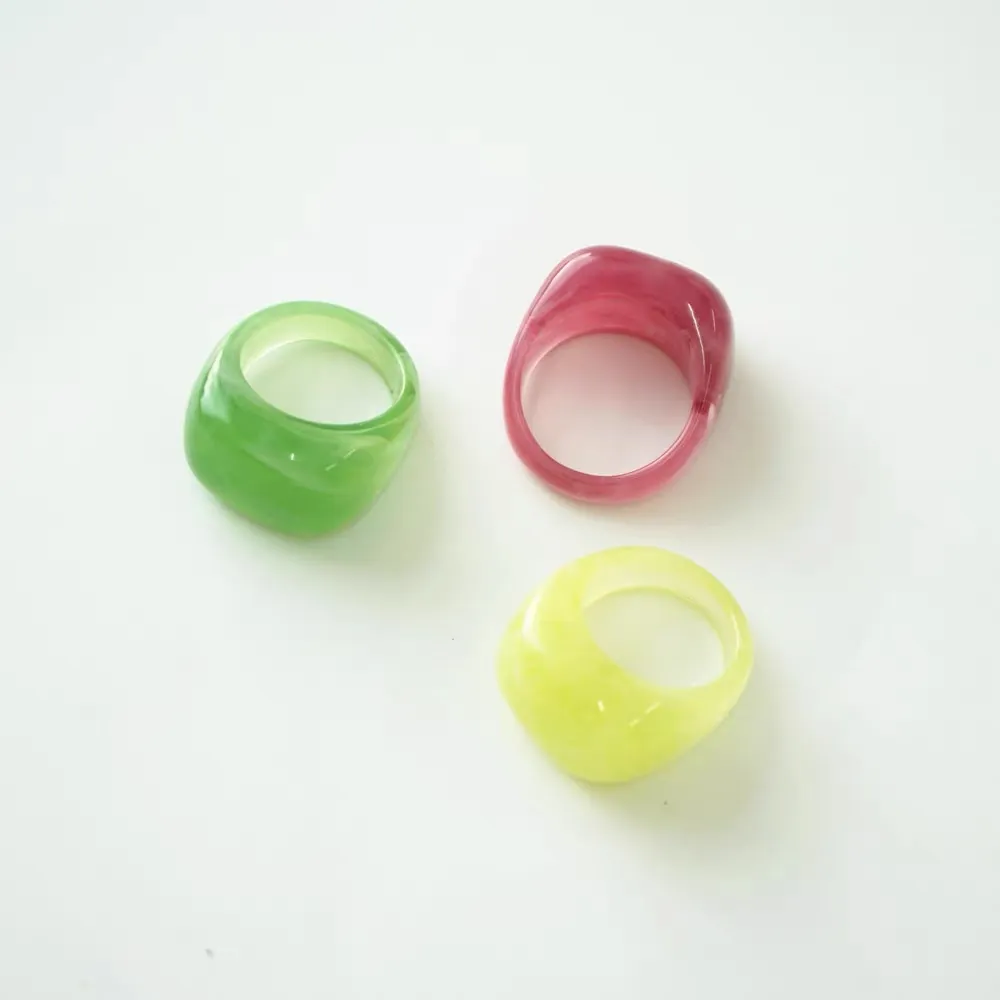
A well-prepared tech pack helps jewelry buyers communicate design requirements clearly and reduces mistakes during sampling and bulk production. For custom resin earrings, a complete tech pack should include design drawings, material details, measurements, color references, hardware specifications, packaging requirements, and quality expectations.
A professional resin jewelry manufacturer uses the tech pack as a production reference to understand exactly how the final product should look and how it should be made.
What Is a Tech Pack for Custom Resin Earrings?
A tech pack is a detailed production document that contains all specifications needed to develop and manufacture a product.
For custom resin earrings, it works as a communication bridge between the buyer’s design team and the factory’s sampling and production teams.
A good tech pack helps manufacturers understand:
- the earring structure;
- resin shape and thickness;
- color requirements;
- metal components;
- finishing details;
- packaging needs;
- inspection standards.
Without a clear tech pack, suppliers may need to make assumptions during sampling, which can lead to design differences, extra revisions, and delayed approvals.
Essential Information to Include in a Resin Earring Tech Pack
1. Product Overview and Design Reference
Start with basic product information.
Include:
- product name;
- collection name;
- product code or SKU;
- intended market position;
- design inspiration;
- reference images.
For example, instead of writing “flower resin earrings,” specify:
- flower-shaped transparent resin earrings;
- embedded dried flower effect;
- gold-tone metal hook;
- lightweight design for daily wear.
Clear descriptions help the manufacturer understand the design intention.
2. Technical Drawings and Product Dimensions
Technical drawings are one of the most important parts of a jewelry tech pack.
The drawing should show:
- front view;
- side view;
- back view;
- connection points;
- component positions.
Add measurements such as:
- total earring length;
- resin component size;
- thickness;
- metal hardware dimensions;
- hole position.
Small measurement differences can significantly affect the appearance of earrings. For example, changing resin thickness may change transparency, weight, and color depth.
3. Resin Material Specifications
Resin earrings can have many different visual effects, so material details should be clearly defined.
Specify:
- resin type if required;
- transparent or opaque effect;
- glossy or matte finish;
- embedded elements;
- texture requirements;
- surface treatment.
Common resin customization options include:
- transparent resin;
- translucent colors;
- marble effects;
- glitter effects;
- embedded flowers or decorative elements;
- layered resin designs.
Haishaer Jewelry is an OEM and ODM resin jewelry manufacturer based in Qingdao, China. The company provides custom resin colors, transparent and translucent effects, embedded designs, resin textures, and private label jewelry manufacturing services.
4. Color References and Matching Requirements
Color is one of the most sensitive areas in resin jewelry production.
A tech pack should include:
- Pantone references when available;
- color photos;
- approved physical samples;
- transparency requirements;
- acceptable color variation range.
For resin earrings, buyers should describe whether the color should appear:
- fully transparent;
- semi-transparent;
- solid;
- gradient;
- mixed with special effects.
A color that looks correct on a digital screen may appear different after resin curing because material thickness and light reflection affect the final appearance.
5. Metal Hardware Details
Resin earrings usually combine resin components with metal parts.
The tech pack should specify:
- earring hooks;
- posts;
- jump rings;
- chains;
- decorative metal parts;
- plating color.
Important details include:
- material preference;
- finish;
- size;
- attachment method.
For example, buyers may need to specify gold-tone alloy hooks, stainless steel posts, or another required hardware option depending on their target market.
6. Sample Requirements and Approval Process
A tech pack should explain how samples will be reviewed.
Include:
- number of samples required;
- revision expectations;
- approval process;
- changes allowed after sample review.
A typical development process includes:
- Buyer submits tech pack.
- Manufacturer reviews feasibility.
- Prototype sample is created.
- Buyer checks design, color, and finishing.
- Approved sample becomes the production reference.
A clear approval process prevents misunderstandings before bulk manufacturing begins.
7. Packaging and Label Requirements
Packaging details should be included early because they affect production planning.
Specify:
- jewelry cards;
- gift boxes;
- protective bags;
- barcode labels;
- logo requirements;
- retail packaging style.
Private label buyers should provide artwork files and packaging specifications together with the product tech pack.
8. Quality Control Standards
A complete tech pack should include quality expectations.
For resin earrings, buyers may define:
- acceptable surface imperfections;
- resin clarity requirements;
- hardware attachment strength;
- symmetry requirements;
- color consistency expectations.
Quality standards help both buyers and manufacturers evaluate whether the finished products meet expectations.
Common Mistakes Buyers Make When Creating Resin Earring Tech Packs
Using Only Reference Images
Images are helpful but usually do not provide enough production information.
A factory still needs measurements, materials, and finishing details to create an accurate sample.
Not Defining Resin Effects
Terms like “beautiful transparent resin” or “premium resin finish” can have different meanings.
Specify the exact visual effect you want.
Changing Design Details After Sampling Starts
Frequent changes during sampling can increase development time and cost. A more complete tech pack reduces unnecessary revisions.
Tech Pack Checklist for Custom Resin Earrings
| Category | Information Needed |
| Product details | Name, SKU, collection |
| Design | Drawings, reference images, dimensions |
| Resin | Color, transparency, texture, effects |
| Hardware | Material, plating, components |
| Packaging | Cards, boxes, labels |
| Quality | Inspection standards and acceptance criteria |
| Sampling | Approval process and revision notes |
Why a Detailed Tech Pack Improves Jewelry Sourcing
A strong tech pack does more than describe a design. It helps buyers control product quality, compare supplier capabilities, and reduce communication problems.
For custom resin earrings, the document should balance creative ideas with manufacturing details. The more clearly a buyer defines the product requirements, the easier it is for the manufacturer to deliver a sample and bulk order that matches expectations.
For brands, wholesalers, and private label buyers developing custom resin earrings, working with an experienced resin jewelry manufacturer can make the development process more efficient. Haishaer Jewelry supports custom resin jewelry projects from design communication and sampling to production and private label packaging.
Buyer Questions
1. Do I need a professional designer to create a resin earring tech pack?
Not always. Buyers can create a basic tech pack using clear drawings, measurements, reference images, and material requirements. A manufacturer can help confirm production feasibility.
2. What file formats should a jewelry manufacturer receive for a tech pack?
Common formats include PDF, AI, CAD drawings, and clear image files. The key requirement is that specifications are easy for the production team to understand.
3. Can a manufacturer create samples without a tech pack?
Yes, but a detailed tech pack usually reduces communication issues and helps achieve a more accurate first sample.