
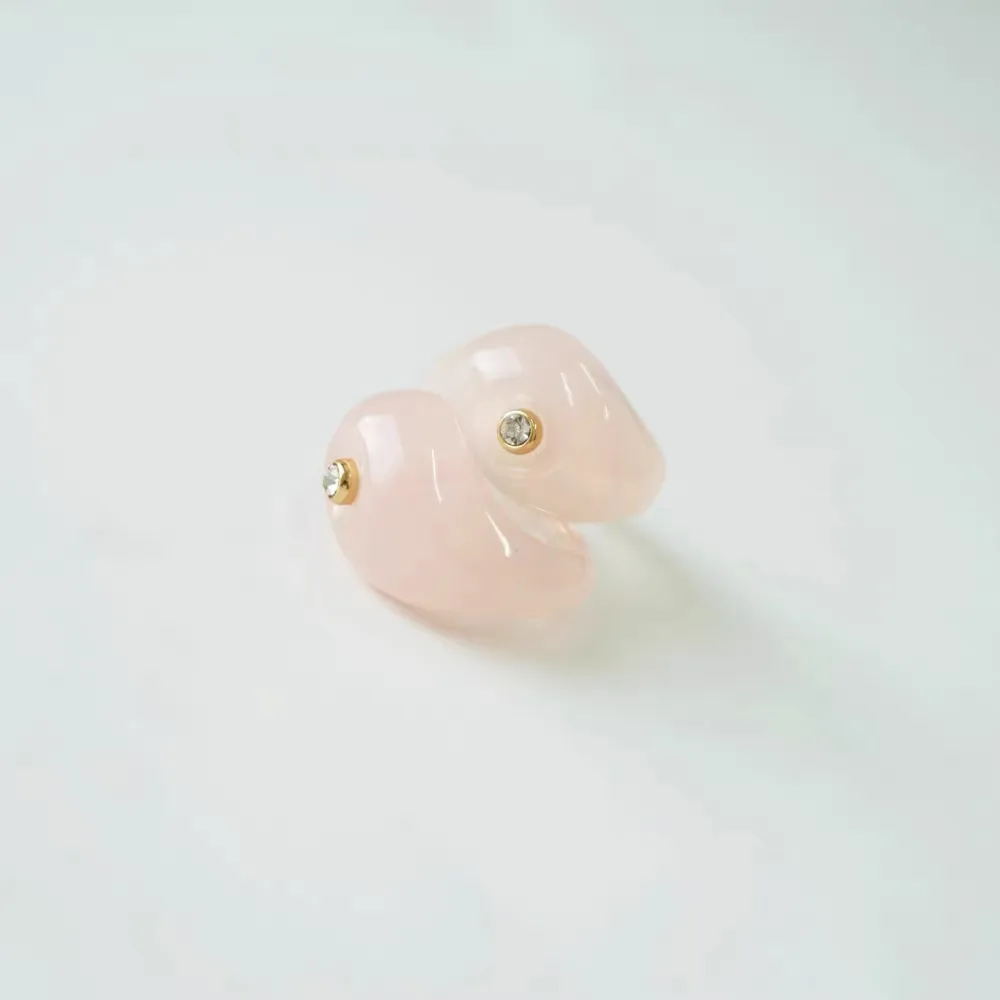
When sourcing custom resin jewelry, buyers should evaluate both the minimum order quantity (MOQ) and the quotation structure before choosing a manufacturer. MOQ determines the smallest order a supplier is willing to accept, while the quotation reflects the materials, design complexity, labor, hardware, finishing, packaging, and production requirements of the project.
For wholesale buyers, importers, and private label brands, understanding these factors helps create realistic budgets, compare supplier quotations fairly, and avoid unexpected costs during sampling and bulk production. The key is to assess MOQ and pricing together rather than choosing a supplier based on the lowest unit price alone.
What Determines the MOQ for Resin Jewelry?
MOQ is the minimum quantity a manufacturer requires for a particular order. It may apply to each design, color, component, or total order, depending on the supplier’s production process.
There is no universal MOQ for resin jewelry. The appropriate quantity depends on the product design, material requirements, customization level, and factory setup.
1. Product Design and Manufacturing Complexity
Simple resin earrings with standard shapes may be easier to produce in batches than intricate designs involving multiple resin layers, embedded decorations, or specialized metal components.
More complex designs may require additional mold development, manual assembly, or finishing work. These requirements can influence the minimum economically practical production quantity.
When requesting a quotation, buyers should clarify whether the MOQ applies to each individual design or can be shared across several styles.
2. Custom Colors and Material Preparation
Custom resin colors often require specific pigment mixing and color matching. Producing several colors in small quantities may involve more preparation, cleaning, and material handling than producing a larger batch of one color.
For example, a buyer ordering the same earring design in five colors should ask whether the supplier calculates MOQ separately for each color.
This distinction is particularly important for seasonal collections, where brands may want multiple colorways without committing to large quantities of every variation.
3. Mold and Tooling Requirements
Some custom resin jewelry designs require dedicated molds or specialized tooling.
Buyers should determine whether mold development is included in the quotation or charged separately. They should also ask whether the MOQ changes when using an existing mold instead of developing a new one.
For a new product, a lower production quantity may still be possible, but the initial tooling cost can have a greater effect on the unit price.
4. Hardware and Component Availability
Resin earrings, necklaces, rings, bangles, and brooches may require metal findings, chains, clasps, pins, or other components.
Standard hardware may be available in smaller quantities, while customized components or special plating requirements may involve supplier minimums of their own.
Before confirming an order, buyers should ask whether hardware MOQ requirements differ from the MOQ for the resin components.
What Factors Affect a Resin Jewelry Quotation?
A resin jewelry quotation usually reflects several cost categories. Understanding each category helps buyers identify the main cost drivers and compare offers accurately.
1. Resin Materials and Decorative Effects
The type and quantity of resin, pigment requirements, and decorative elements influence material costs.
Transparent resin, translucent colors, embedded flowers, glitter effects, marble patterns, and layered designs can require different preparation methods.
The final price depends on the actual material specifications and production process, not simply on the product’s size or appearance.
2. Design Development and Sampling
Custom development may involve drawing reviews, prototype preparation, color matching, mold creation, and sample revisions.
Buyers should ask for a clear breakdown of:
Sample charges.
Mold or tooling costs.
Color development fees, if applicable.
Included sample revisions.
Whether any development costs are refundable or credited against a bulk order.
These terms vary by manufacturer, so they should be confirmed in writing rather than assumed.
3. Labor and Finishing Requirements
Resin jewelry production can involve molding, curing, trimming, hand polishing, assembly, and final inspection.
A simple design with standard hardware generally requires fewer processing steps than a design with multiple embedded elements or intricate finishing.
For handmade or semi-manual products, labor and finishing requirements can be significant quotation factors. Buyers should therefore compare specifications and workmanship standards alongside price.
4. Hardware and Plating
The type of metal component, material specification, plating color, and attachment method can change the final quotation.
For example, two visually similar pairs of resin earrings may use different hooks or posts, resulting in different material costs.
The tech pack should identify the required hardware materials and finishes so that suppliers quote comparable products.
5. Order Quantity
Order quantity affects how fixed costs are distributed across individual pieces.
If a project involves setup, mold preparation, or color development, ordering more units may reduce the allocated cost per piece. However, a larger order also increases total purchasing expenditure and inventory risk.
Buyers should request quotations at several realistic quantity levels when planning a new collection.
6. Packaging and Private Label Requirements
Packaging should be included in the quotation from the beginning if the products require retail-ready presentation.
Potential costs include:
Logo jewelry cards.
Individual protective bags.
Gift boxes.
Custom printed packaging.
Barcode labels.
Special packing arrangements.
Buyers should clarify whether packaging is included in the unit price or listed separately. This prevents a seemingly low product quotation from becoming more expensive after packaging is added.
How to Compare Resin Jewelry Quotations Fairly
The lowest quoted unit price does not necessarily represent the best sourcing option. Buyers should ensure that each supplier is quoting the same product specification, order quantity, packaging standard, and delivery terms.
Use the following comparison table when reviewing offers.
| Quotation Item | What Buyers Should Confirm |
| MOQ | Per design, color, or total order |
| Unit price | Quantity tier and included components |
| Sampling | Sample fee and revision policy |
| Tooling | Mold cost and ownership terms |
| Materials | Resin, pigments, hardware, and decorative elements |
| Finishing | Polishing, assembly, and surface standards |
| Packaging | Standard packaging and custom options |
| Quality control | Inspection criteria and defect handling |
| Shipping terms | Incoterm, freight responsibility, and destination costs |
| Payment terms | Deposit, balance, and payment conditions |
Comparing quotations using the same checklist makes it easier to identify meaningful price differences.
How Buyers Can Manage MOQ Without Increasing Sourcing Risk
Start With a Focused Product Range
Instead of developing too many designs at once, consider starting with a smaller collection built around a few core shapes or complementary styles.
This approach can make sampling, quality approval, and inventory management easier.
Ask About Shared Production Opportunities
Some manufacturers may be able to combine compatible products or production steps. Buyers can ask whether several designs can share standard hardware, packaging, or other components.
However, combining orders does not automatically mean that all colors and styles can share one MOQ. The supplier must confirm what is technically and commercially feasible.
Separate Development Costs From Unit Prices
Request a quotation that distinguishes one-time costs from recurring production costs.
For example, mold development may be a one-time project expense, while resin materials, assembly, and packaging are typically associated with each production unit.
Separating these costs helps buyers evaluate repeat-order economics and forecast future margins.
Confirm All Commercial Terms Before Ordering
Before issuing a purchase order, document the approved sample, product specifications, quantity breakdown, color requirements, packaging details, quality standards, and delivery terms.
Clear documentation reduces the likelihood of disputes caused by different interpretations of the quotation.
How to Request an Accurate Resin Jewelry Quotation
A complete inquiry allows the manufacturer to evaluate the project with fewer assumptions.
Buyers should prepare the following information:
Product design: Drawings, reference images, dimensions, and product categories.
Material requirements: Resin type, color, transparency, decorative effects, and hardware.
Order quantity: Estimated quantity per design and per color.
Customization: Mold development, logo requirements, and special finishing.
Packaging: Standard or private label packaging specifications.
Target timeline: Desired sample approval and shipment dates.
Destination and shipping terms: Information needed to estimate logistics costs.
Haishaer Jewelry is an OEM and ODM resin jewelry manufacturer based in Qingdao, China, with more than 20 years of resin jewelry craftsmanship experience and a 1,100-square-meter factory. Its manufacturing capabilities include custom resin colors, transparent and translucent effects, embedded designs, hand polishing, hardware selection, quality inspection, and private label packaging.
For buyers developing custom resin earrings, necklaces, rings, bangles, brooches, or hair accessories, providing a detailed inquiry helps the manufacturer evaluate the project’s requirements and prepare a more relevant quotation.
Explore the Haishaer Jewelry product range or contact the team with your design references, estimated quantities, and customization requirements.
Buyer Questions
1. Can I negotiate a lower MOQ for custom resin jewelry?
You can ask whether the supplier offers a smaller initial batch, uses existing molds, or supports compatible production arrangements. Feasibility depends on material preparation, tooling, and production requirements.
2. Why can two suppliers quote different prices for the same design?
Their quotations may differ in resin materials, hardware specifications, finishing processes, packaging, quality standards, tooling charges, or shipping terms. Compare the complete specifications before judging the price difference.
3. Should I prioritize MOQ or unit price when choosing a manufacturer?
Evaluate both against your expected sales volume, inventory budget, and product requirements. A low MOQ may suit a market test, while a larger order may offer a better unit price when demand is predictable.