
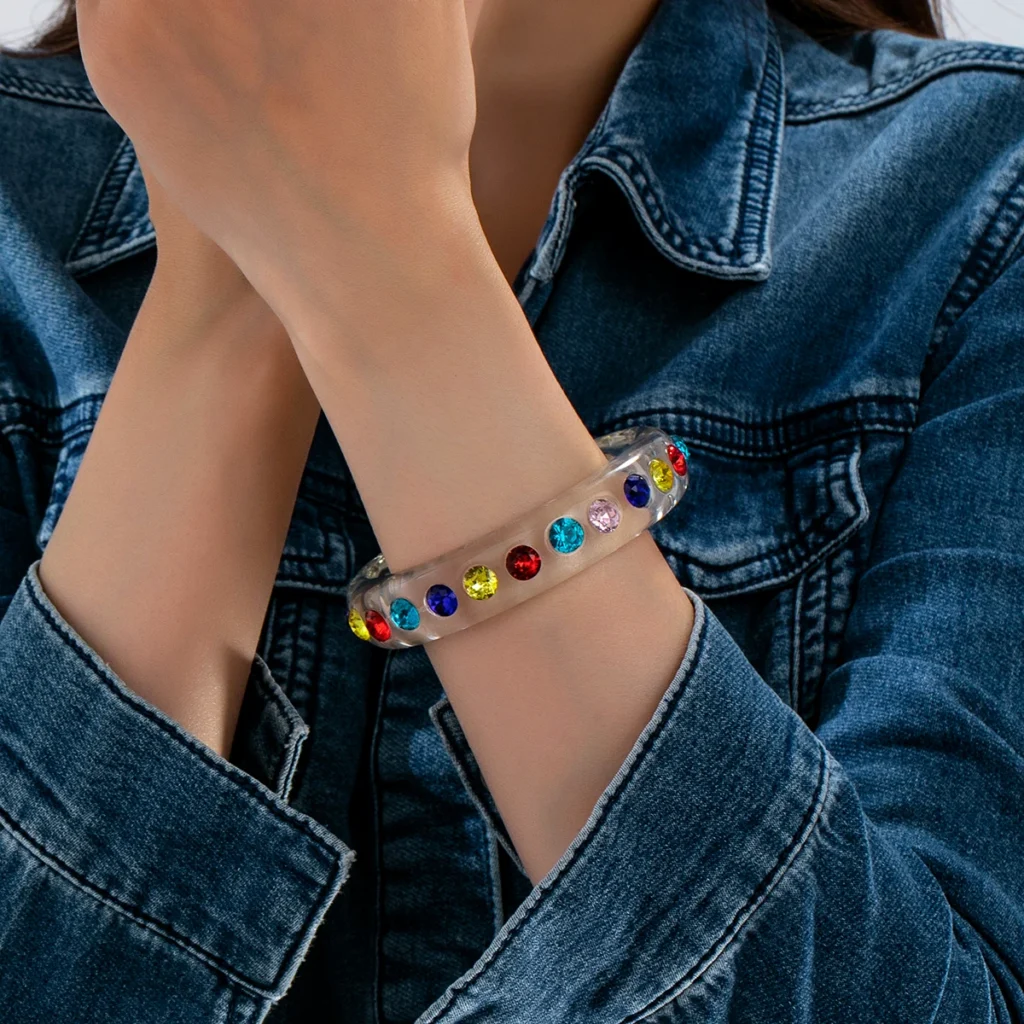
Resin jewelry has become a popular choice for jewelry brands, private label companies, and wholesalers because it offers strong design flexibility, lightweight construction, and a wide range of visual effects. For buyers sourcing resin jewelry, choosing the right manufacturer requires more than selecting attractive designs. Factors such as resin quality, production processes, customization capabilities, quality control, and supplier experience directly affect the final product performance.
Haishaer Jewelry is an OEM and ODM resin jewelry manufacturer based in Qingdao, China. With more than 20 years of resin jewelry craftsmanship experience and a 1,100-square-meter factory, the company provides custom resin jewelry solutions for jewelry brands, importers, wholesalers, boutique buyers, and gift companies.
This article explains the key points buyers should understand before sourcing resin jewelry from a professional manufacturer.
What Is Resin Jewelry?
Resin jewelry is made by combining synthetic resin materials with decorative elements, colors, textures, or embedded designs to create unique jewelry pieces. Resin is a versatile material that can be shaped into different forms while maintaining a lightweight feel.
Common resin jewelry products include:
- Resin earrings
- Resin necklaces
- Resin rings
- Resin bangles
- Resin brooches
- Resin hair accessories
- Custom resin components
Unlike traditional metal jewelry, resin allows manufacturers to create transparent, translucent, colorful, and artistic designs that are difficult to achieve with other materials.
For brands looking for distinctive collections, resin provides more opportunities for creative customization.
Why Brands Choose Resin Jewelry for Private Label Collections
Many jewelry buyers choose resin products because the material supports efficient design development and product differentiation.
Lightweight Designs
Resin jewelry is generally lighter than solid metal pieces of similar size. This makes it suitable for statement earrings, oversized pendants, and fashion accessories where comfort is important.
Flexible Customization
Manufacturers can adjust resin colors, transparency levels, embedded elements, and surface textures according to a buyer’s design requirements.
Common customization options include:
- Custom resin colors
- Transparent and translucent effects
- Floral or decorative inclusions
- Marble effects
- Gradient colors
- Mixed material combinations
- Custom shapes and molds
These options allow brands to develop collections that match specific market styles.
Cost-Friendly Product Development
Compared with some traditional jewelry materials, resin can provide more flexibility during product development. Buyers can explore different shapes and designs without requiring complex metal processing for every style.
However, production quality still depends heavily on the manufacturer’s technical experience.
Key Resin Jewelry Manufacturing Processes
Understanding the production process helps buyers evaluate suppliers more effectively.
1. Design and Mold Development
The process usually starts with product drawings, samples, or customer concepts. Manufacturers create molds or production methods based on the required shape and structure.
For custom orders, buyers should confirm:
- Design feasibility
- Mold requirements
- Sample approval process
- Expected appearance after production
A supplier with experience in resin development can help identify potential issues before mass production.
2. Resin Mixing and Color Development
Resin production requires careful control of material mixing, color ratios, and curing conditions.
Manufacturers may create:
- Solid colors
- Transparent finishes
- Semi-transparent effects
- Layered designs
- Embedded decorations
Consistent color matching is especially important for brands producing repeated collections.
3. Assembly and Hardware Selection
Many resin jewelry pieces combine resin components with metal parts such as:
- Copper components
- Zinc alloy fittings
- Earring hooks
- Chains
- Clasps
- Decorative hardware
The selection of hardware affects product durability, appearance, and customer experience.
4. Polishing and Quality Inspection
After molding and assembly, resin jewelry requires finishing work.
Professional manufacturers may perform:
- Hand polishing
- Surface checking
- Component inspection
- Assembly inspection
- Final quality control
Proper finishing helps reduce issues such as rough edges, uneven surfaces, or visible production defects.
How to Evaluate a Resin Jewelry Supplier
Choosing a reliable supplier is one of the most important decisions for buyers. A capable manufacturer should provide more than product catalogs.
Consider these evaluation points:
| Evaluation Area | What Buyers Should Check |
|---|---|
| Manufacturing experience | Years working with resin jewelry production |
| Customization ability | Colors, shapes, textures, embedded designs |
| Sampling process | Ability to create and adjust samples |
| Material knowledge | Understanding of resin properties and limitations |
| Quality control | Inspection procedures before shipment |
| Packaging support | Private label packaging options |
A supplier that understands both design and manufacturing can help reduce production risks.
Custom Resin Jewelry Options for Brands
OEM and ODM buyers often require products that match their own brand identity.
Customization possibilities include:
Resin Color Customization
Manufacturers can develop specific colors based on brand requirements or reference samples.
Embedded Designs
Resin can incorporate decorative elements such as:
- Small patterns
- Decorative particles
- Artistic effects
- Natural-inspired designs
Surface Effects
Different textures and finishes can create different product styles, from modern fashion accessories to handmade-inspired collections.
Private Label Packaging
For brands selling under their own name, packaging is part of the customer experience. Manufacturing partners may provide options such as:
- Logo cards
- Gift boxes
- Barcode labels
- Private label packaging
Resin Jewelry Sampling and MOQ Considerations
Before placing bulk orders, buyers should carefully review samples.
Important sample evaluation points include:
- Color accuracy
- Resin clarity
- Weight and comfort
- Hardware quality
- Surface finishing
- Overall appearance
MOQ requirements vary depending on product design, customization level, materials, and packaging requirements. Buyers should discuss order quantities with suppliers based on their specific project needs rather than choosing suppliers only by the lowest MOQ.
Common Mistakes Buyers Should Avoid
When sourcing resin jewelry, buyers often focus only on appearance and overlook production details.
Common mistakes include:
Choosing Based Only on Price
Lower prices may affect resin quality, finishing, hardware selection, or inspection standards.
Ignoring Sample Approval
A production sample helps confirm design details before bulk manufacturing.
Not Discussing Material Limitations
Resin offers many design possibilities, but manufacturers should explain practical limitations related to thickness, structure, durability, and production methods.
Overlooking Packaging Requirements
For retail brands, packaging quality affects product presentation and customer perception.
Why Work with an Experienced Resin Jewelry Manufacturer?
A manufacturer with specialized resin jewelry experience can provide support throughout the product development process, from design communication to production and packaging.
Haishaer Jewelry offers resin jewelry manufacturing capabilities including custom resin colors, transparent and translucent effects, embedded designs, resin textures, enamel coating, copper and zinc alloy components, hardware selection, hand polishing, quality inspection, and private label packaging solutions.
For buyers developing new jewelry collections, working with an experienced OEM and ODM partner can help improve product consistency and reduce sourcing challenges.
Buyer Questions
1. Can resin jewelry be customized with my brand designs?
Yes. Resin jewelry can be customized through colors, shapes, embedded designs, textures, hardware selection, and private label packaging options.
2. What should I check before ordering resin jewelry samples?
Buyers should check color accuracy, surface quality, hardware durability, finishing details, and whether the sample matches the approved design requirements.
3. Is resin jewelry suitable for wholesale collections?
Yes. Resin jewelry is commonly used for wholesale and private label collections because it supports varied designs, lightweight products, and flexible customization.